
What Factors Should You Consider Before Choosing a Sound System for an Indoor or Outdoor Event?
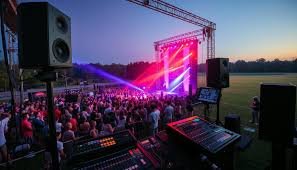
Selecting the right sound system is one of the most important parts of planning a successful event. Whether you are organizing a corporate conference, wedding, birthday party, concert, or outdoor gathering, the quality of the audio can directly impact audience engagement and overall experience. A professional sound system ensures clear communication, balanced music, and smooth event flow. Before making a decision, there are several important factors you should consider.
1. Understand the Type of Event – Right sound system
The first factor is identifying the nature of your event. Different events require different audio setups. For example, a corporate seminar mainly focuses on speech clarity, while a live concert or DJ party requires powerful bass and high-volume music output. Weddings and birthday parties may need a combination of microphones, speakers, and music systems to create the perfect atmosphere.
Choosing a sound system according to the event type helps avoid unnecessary equipment costs and ensures better audio performance.
2. Venue Size and Location – Right Sound System
The size of the venue plays a major role in selecting the right sound system. Small indoor halls may only need compact speakers and wireless microphones, while large banquet halls or outdoor grounds require high-powered speakers, amplifiers, and subwoofers.
For outdoor events, sound tends to disperse quickly because there are no walls to reflect the audio. This means outdoor setups usually need more powerful equipment compared to indoor venues. You should also consider weather conditions, power supply availability, and distance coverage for outdoor events.
3. Number of Guests – Right Sound Sytem
The expected audience size is another essential factor. A sound system suitable for 50 guests may not work effectively for 500 attendees. The larger the crowd, the more speaker coverage and audio power you will need.
Professional event planners often calculate sound requirements based on audience capacity to ensure every guest can hear clearly without distortion or volume imbalance.
4. Acoustics and Sound Quality
Indoor venues often have sound reflections caused by walls, ceilings, and floors. Poor acoustics can create echo and unclear audio. In such cases, audio engineers may use mixers, equalizers, and speaker placement techniques to improve sound clarity.
For outdoor events, wind and open space can affect audio quality. Using high-quality speakers and proper positioning helps maintain balanced sound throughout the venue.
5. Equipment Requirements
Before finalizing a right sound system, make a checklist of the equipment needed. Common audio equipment includes:
- Speakers
- Subwoofers
- Wireless microphones
- Audio mixers
- Amplifiers
- DJ systems
- Monitor speakers
Corporate meetings may require podium microphones and conference audio systems, while music events may need advanced DJ and live band setups.
6. Technical Support and Setup
A professional sound system is not just about equipment; technical support is equally important. Experienced sound technicians ensure proper installation, sound testing, and real-time troubleshooting during the event.
Hiring professional audio service providers reduces the chances of technical failures and guarantees smooth event execution.
7. Budget and Rental Options
Budget planning is another important consideration. Instead of purchasing expensive audio equipment, many event organizers prefer renting professional sound systems. Rental services provide access to modern equipment at affordable prices and often include setup assistance.
Comparing packages and understanding your event needs can help you choose a cost-effective solution without compromising audio quality.
Conclusion
Choosing the right sound system for an indoor or outdoor event requires careful planning and understanding of your event requirements. Factors such as venue size, audience count, event type, acoustics, equipment needs, and technical support all play a vital role in delivering excellent sound quality. A professionally selected sound system not only improves audience engagement but also creates a memorable and successful event experience.